

Fatigue in the Ecology Sector and Its Impact on Staff Retention
Justin Ayling • November 13, 2025
Fatigue in the Ecology Sector and Its Impact on Staff Retention

At Embankment Group, we speak with hundreds of ecologists every month and the feedback is consistent: ecology is an incredibly rewarding sector but long, physically demanding and often unsociable hours, particularly for junior staff, have a significant impact on retention.
Fatigue affects both physical and mental well-being. Carrying equipment for fieldwork, enduring long journeys and working extended hours can lead to exhaustion, stress and burnout. Mental fatigue also affects concentration, decision-making and data accuracy, adding pressure to already demanding roles.
When ecologists consistently feel overworked, job satisfaction declines and the likelihood of leaving increases. This is a frequent reason ecologists turn to Embankment Group for career support and recruitment assistance.
High staff turnover poses particular challenges in ecology, especially on large infrastructure projects requiring long stays away from home and limited opportunities for learning and development. Recruiting and training new staff is time-consuming and costly and projects can suffer when the right expertise is unavailable.
Addressing fatigue is essential for retaining staff but how are companies tackling this issue?
Many businesses have found that a robust ecology focused TOIL scheme is essential. The best schemes allow ecologists to rest when they need to even during the peak survey season.
Forward-thinking companies are also engaging freelance ecologists on a day rate or ‘price per job’ basis. This approach underpins their TOIL scheme, allowing staff to rest when needed, while providing access to specialist skills in areas that might otherwise be difficult to cover, helping companies win more business.
Investing in technology is another way to reduce labour-intensive tasks. AI algorithms can now analyse large volumes of images, videos and sensor data in minutes, a task that may take an ecologist weeks to complete. By speeding up fieldwork, automating analysis and providing data-driven insights, AI makes ecological work more efficient (and in some cases more reliable).
By combining these approaches, the ecology sector can protect its workforce, improve job satisfaction and retain the skilled professionals needed to deliver high-quality conservation outcomes.
Supporting ecologists’ well-being is not just good practice, it is critical for the sustainability of the sector.

What Experience Do You Need to Get an Ecology Job in 2026?

Ecology Recruitment Referral Scheme: Earn an e-voucher worth £750

5 Reasons counter offers are particularly harmful in the ecology sector
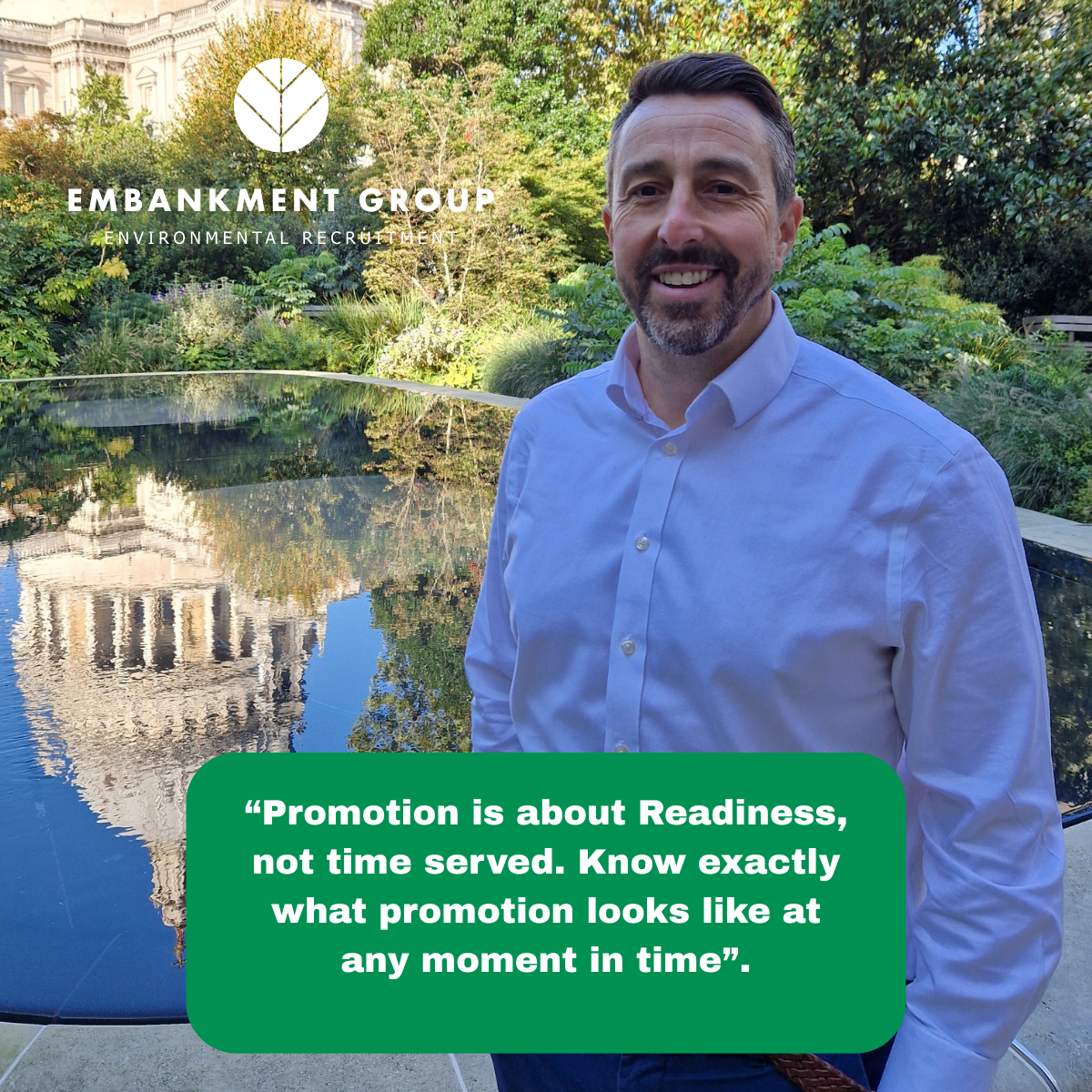
How to Position Yourself for Promotion in the Ecology Sector As a specialist ecology recruiter, Embankment Group places around 200 ecologists into permanent and freelance roles in the UK and Ireland every year. One thing we hear far too oAn is that ecologists do not always know what they need to do to get promoted. They may be working hard, delivering strong technical work and supporting projects, but still feel unclear on what the next step actually requires. This simply must change. The ecology sector requires transparency, clear progression routes and strong support for ecologists who want to develop. If ecologists are expected to grow into Senior, Principal, Associate or Director level roles, they need to understand exactly what good looks like and what evidence they need to show. Promotion is about Readiness, not time served Promotion in ecology is not just about the number of years you have been in the role (time served). It is about showing that you are ready to take on more responsibility, support others and add value beyond your own workload. If you are aiming for the next step, whether that is Senior Ecologist, Principal Ecologist, Associate or beyond, you need to think about how you are presenting to the person or people responsible for deciding if you are ready for the next step. Know exactly what promotion looks like at any moment in time If you want to be promoted, you need to know exactly what you are being measured against. It should not be vague or based on guesswork. Ask your manager to clearly outline what you need to do, what competencies you need to show and what evidence they would need to see before you can move up. This should almost work like a tick sheet, covering areas such as technical ability, project management, report writing, client communication, mentoring, commercial awareness and business development, depending on the level you are aiming for. At every moment, you should know where you stand. You should know what you have already demonstrated, what still needs to be improved and what specific actions will help you qualify for promotion. This also makes career conversations much easier. Instead of simply saying you feel ready for the next level, you can point to clear examples and show that you have met the agreed expectations. Promotion should not feel like a mystery. The clearer the criteria, the easier it is to focus your development and build a strong case for progression. Build evidence of your impact One of the biggest mistakes people make is assuming their hard work will speak for itself. In reality, managers are busy and may not always see the full extent of what you are doing. Keep track of the projects you have supported on, the surveys you have led, the reports you have written and any positive feedback from clients or colleagues. If you have helped deliver work on time, improved quality or supported junior team members, make sure you can clearly evidence it. Show commercial awareness As ecologists move into more senior roles, technical ability is only part of the picture. Employers want to see that you understand project budgets, deadlines, client expectations and resourcing. You do not need to be winning work overnight, but you should be able to show that you understand how your role fits into the wider business. Taking ownership of project delivery, communicating risks early and thinking ahead can make a big difference. Take on responsibility before you ask for it (or you’re asked to!) Promotion often comes when you are already operating at the next level. That might mean mentoring junior ecologists, reviewing reports, managing small projects or becoming the go to person for a particular survey area or technical specialism. Look for opportunities to step up, even in small ways. The more you can show you are already trusted with higher level responsibility, the stronger your case becomes. Communicate your ambitions clearly It is important to have open conversations with your line manager about your career goals. Do not wait until review time to mention that you want to progress. You should be able to meet your manager casually to review your progress. A single annual review doesn’t really cut the mustard. If this is the case, I would recommend talking to you Line Manager or HR team to review this. Ask what you need to demonstrate to move up, what gaps you need to close and what support is available. This gives you a clearer route forward and helps your manager understand that progression matters to you. Keep developing your technical profile In ecology, specialist skills can really strengthen your promotion case. Survey licences, protected species experience, botany skills, Biodiversity Net Gain knowledge, EcIA experience and project management capability can all help you stand out. Think about which skills are most valuable to your team and where you can become more useful to the business. Final thoughts Positioning yourself for promotion is about more than doing a good job. It is about showing leadership, commercial awareness, technical growth and a clear willingness to take on more responsibility. If you feel you are already operating above your current level, start gathering evidence, have the right conversations and make it easy for your employer to see the value you bring.
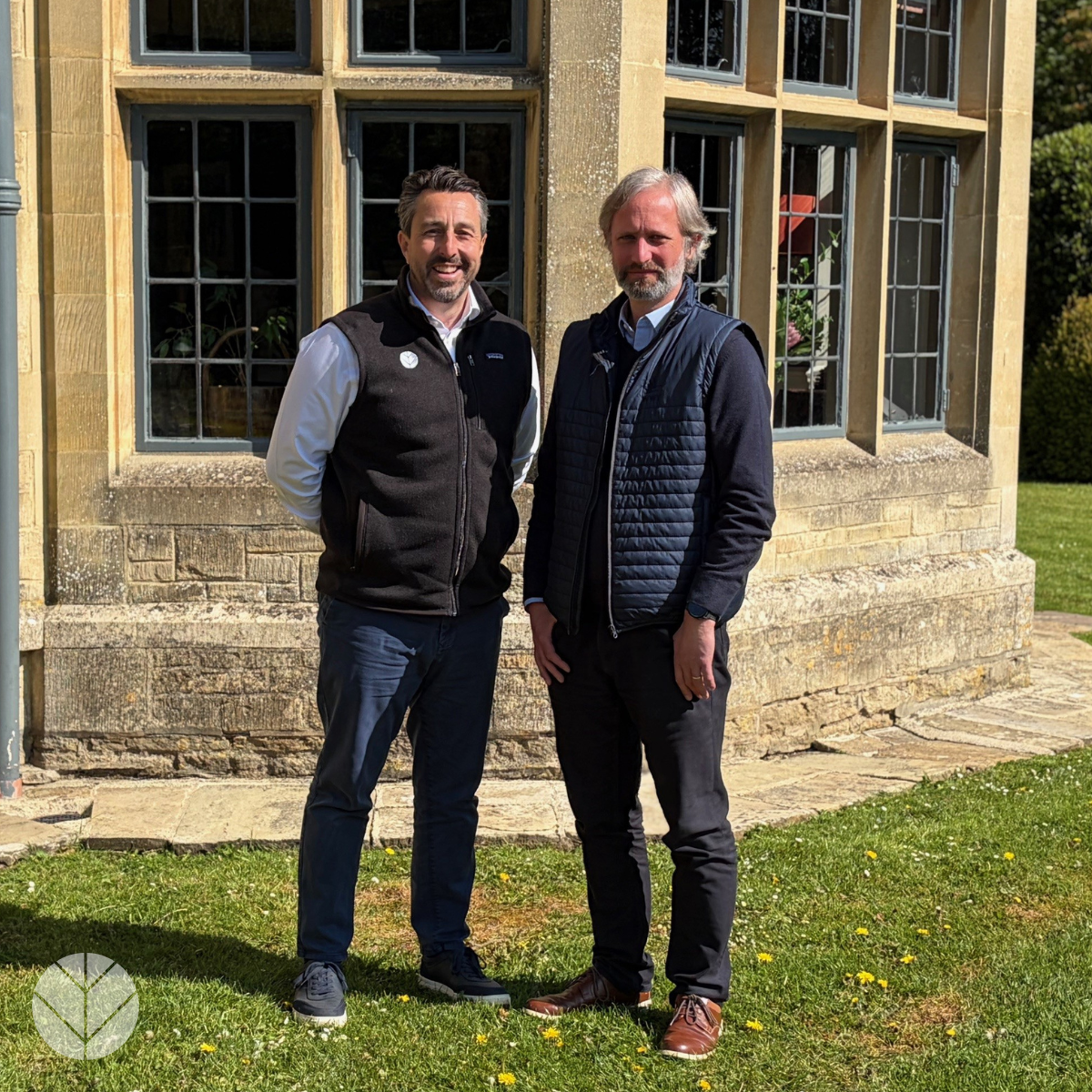
An interview with Dan Carpenter, Executive Coach for Ecologists
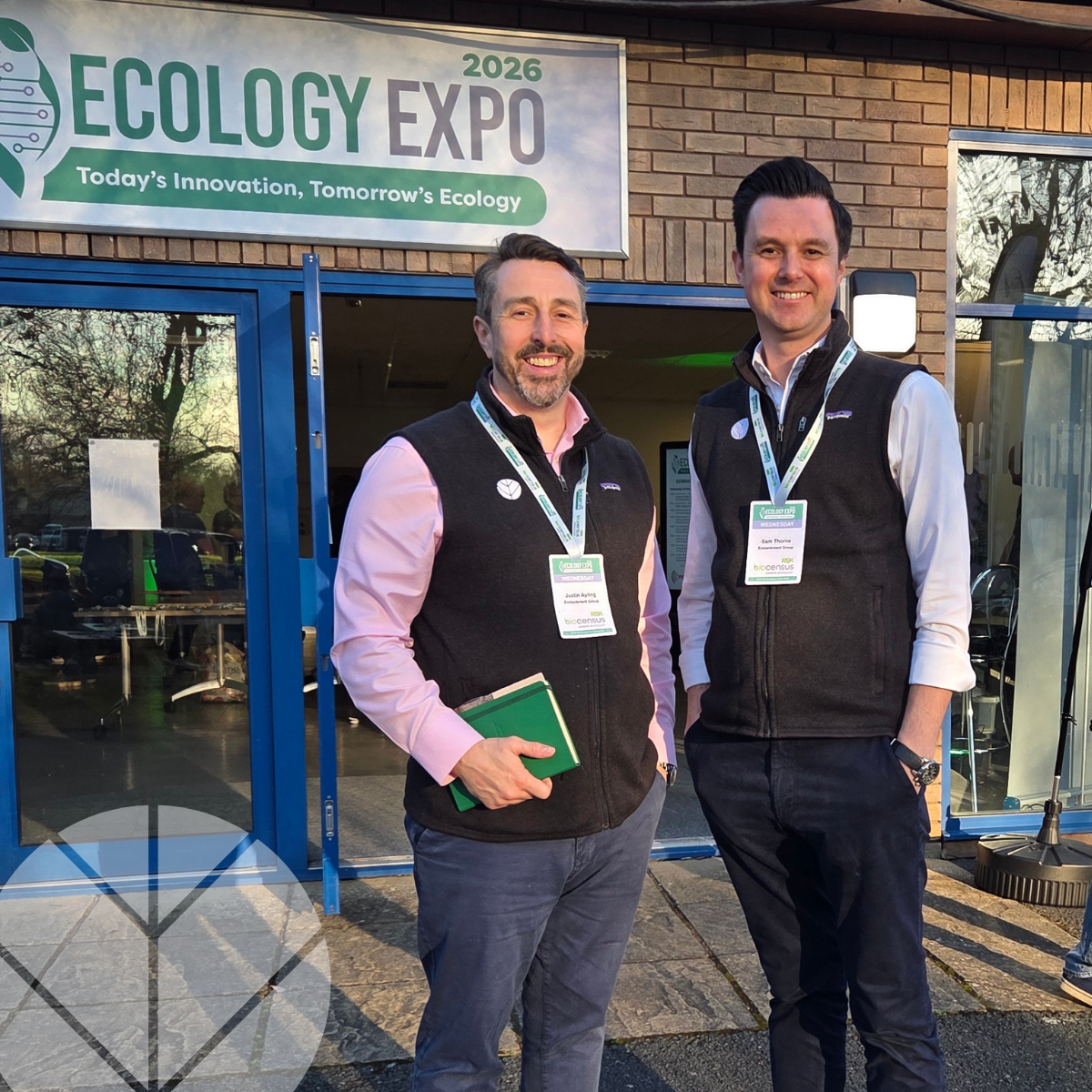
Why Ecologists Should Attend Conferences and Expos?

Imposter Syndrome in Ecology: Why So Many Ecologists Experience It and How to Overcome It

What Early Career Ecologists Should Look for in Their First Role

Ecology 2025 Salary Report
What did I learn from my first CIEEM event as a non-Ecologist?
