

What did I learn from my first CIEEM event as a non-Ecologist?
Sam Thorne • December 17, 2025
What did I learn from my first CIEEM event as a non-Ecologist?
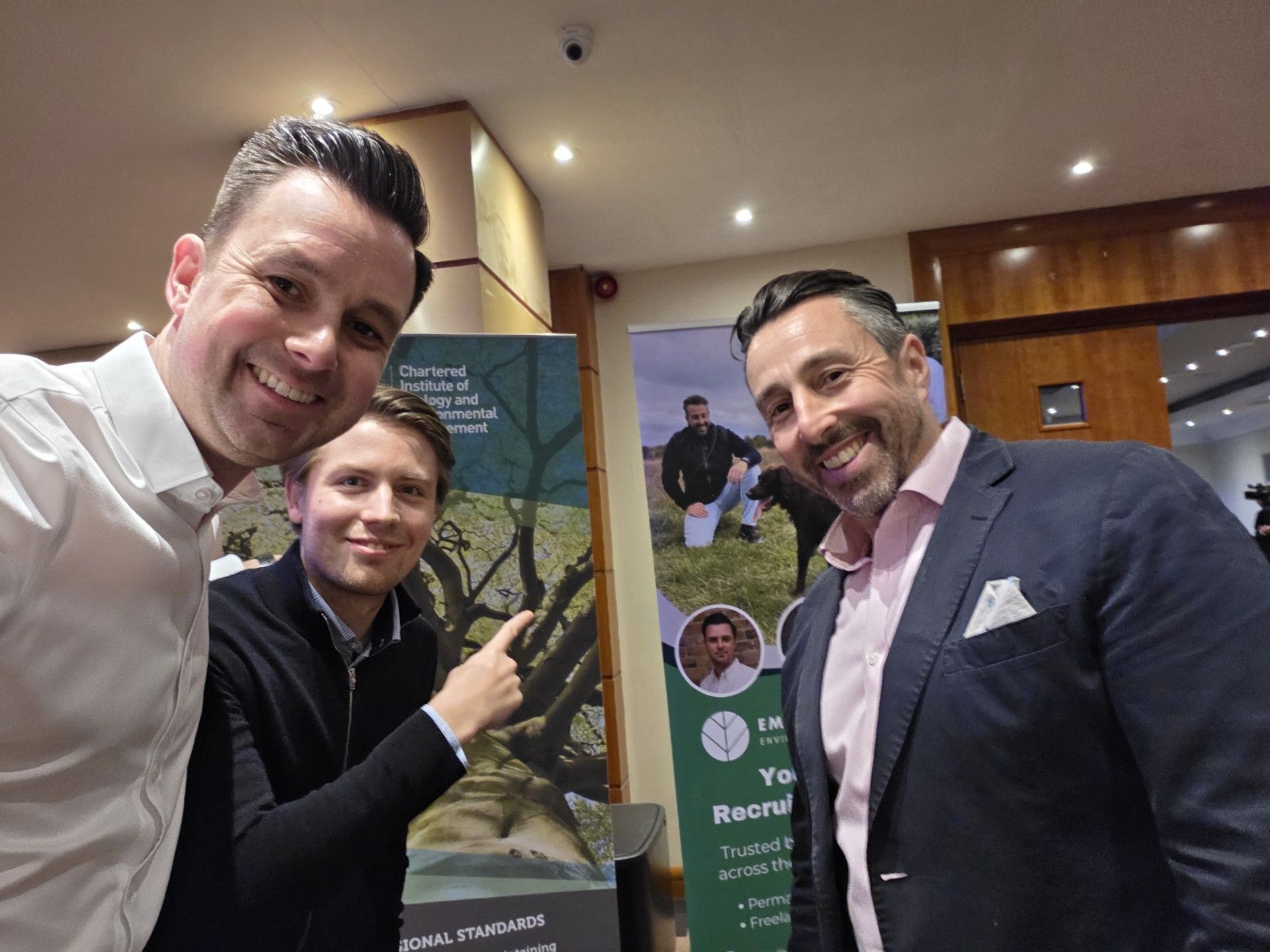
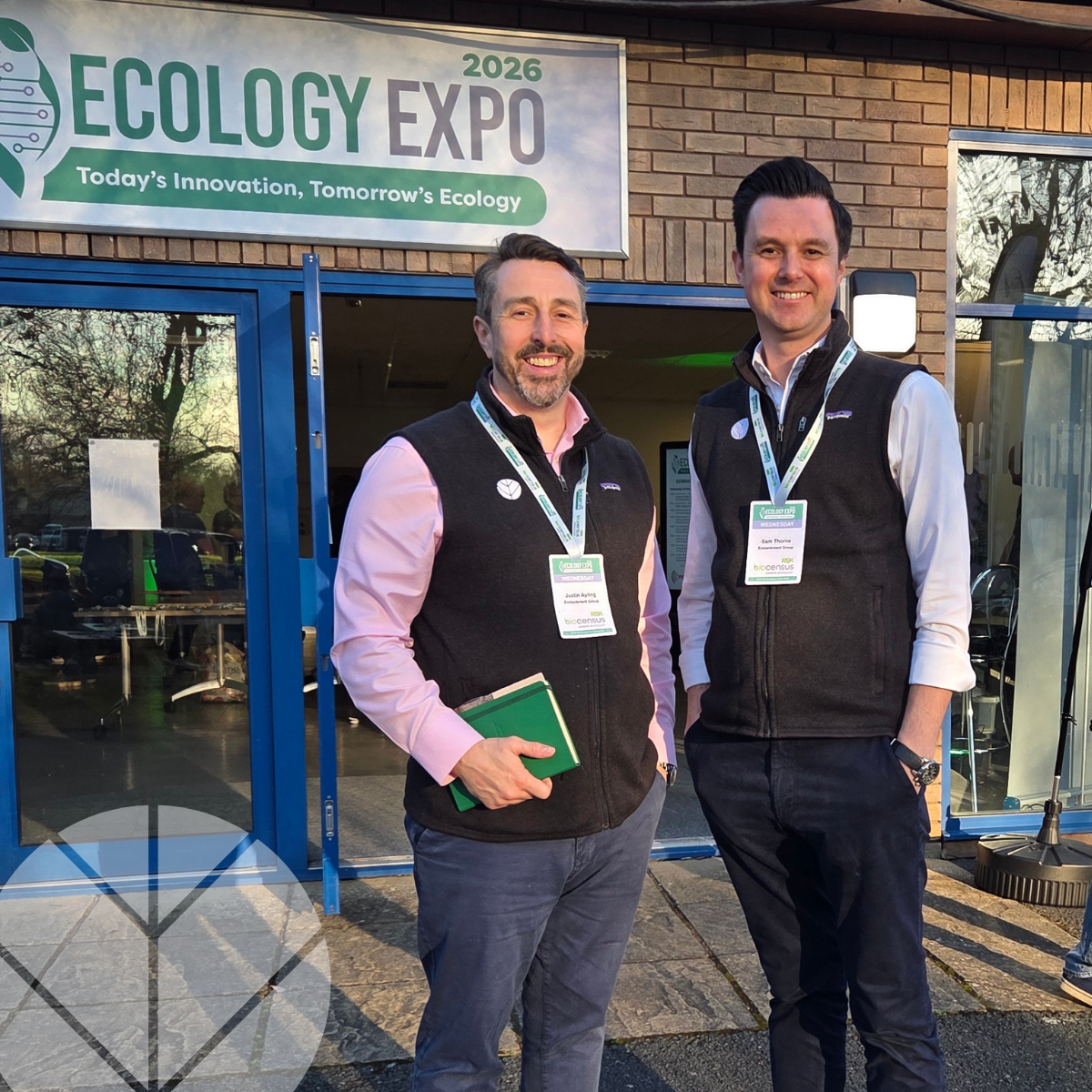
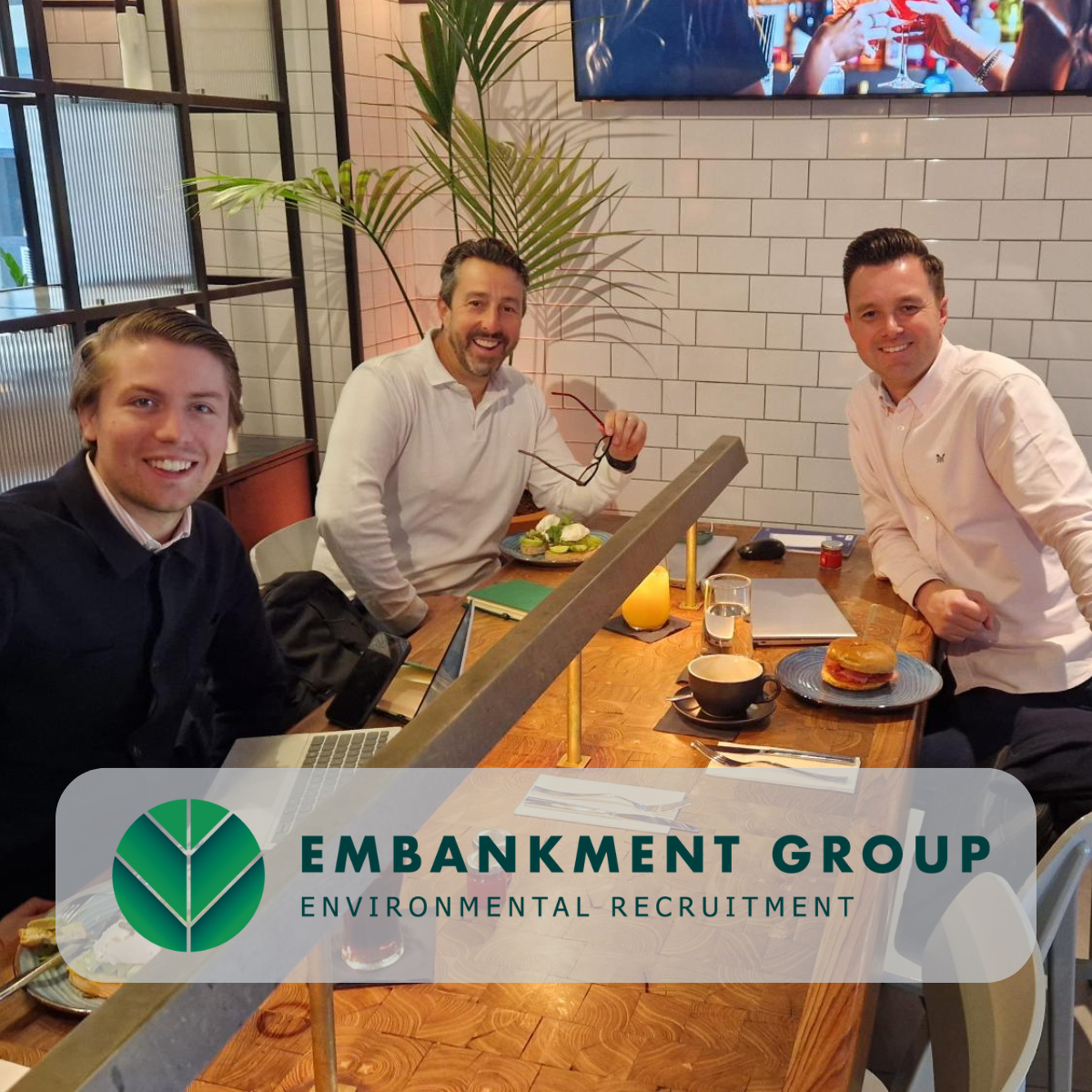
Embankment Group had the honour and privilege of attending our first CIEEM event recently and, in true recruitment fashion, we sponsored the evening dinner and drinks. We weren’t sure what to expect from the two days, but we were all excited to learn more about CIEEM, a body we had heard so much about and which is so well-respected in the industry. As recruiters, we spend our lives on the phone or exchanging messages on LinkedIn, but you just can’t beat meeting an Ecologist face-to-face to truly understand their day-to-day work and what motivates them.
We arrived halfway through the first day, settling in during lunch and joining the final talk on the Infrastructure Bill. After that, we put up our Embankment Group banner (complete with a picture of Monty the dog, our official mascot) and started networking over a few drinks. CIEEM were kind enough to invite Justin to sit at the top table with the speakers and industry leaders; it was a real pinch yourself moment to see how far we have come within the sector over the last five years. By day two, we were feeling a little jaded after perhaps one too many glasses of wine, but we dusted off the cobwebs and got stuck into the world of Ecology once again.
So, what did I learn from being surrounded by 180 Ecologists over two days?
- A welcoming and supportive culture. We couldn’t have felt more part of the community. Everyone we met was incredibly generous with their time, asking about Embankment Group and sharing their own career stories while educating us on what they do.
- Ecologists need a lot of equipment. We spoke with suppliers of everything from inspection cameras to bat detectors, and we now have a much better appreciation for the amount of kit an Ecologist needs to do their job.
- The industry loves an acronym. Don’t test me on what they all stood for just yet, but it all sounded very impressive! This is an area we’ll need to work on to upskill, but it definitely seemed to be a running theme.
- The future is bright. There are so many extremely talented young Ecologists coming through who are going to make a massive difference to the sector. From marketing to surveying, there are some amazing young people in this space.
- Technology is shaping the role. There was a lot of talk about how tech can support the way an Ecologist works. There are many exciting improvements on the horizon, but always with a conscious approach to avoid indirectly affecting the environment.
- The market is skill-short. From a recruitment perspective, it’s clear the market is skill-short, which means Embankment Group can really add value.
- Inspiration is everywhere. Passion, enthusiasm, and drive filled every room. It was truly inspiring to see so many people pulling in the same direction to a make a real difference.
We aren't Ecologists, and we certainly looked more like Recruiters travelling up from London, but I feel we now know much more about the field than we did before the event. This added knowledge will help us better understand our clients’ needs and gain a deeper insight into our candidates' challenges, ultimately helping more Ecologists find their dream jobs.
Thank you for having us and for being so welcoming. We look forward to supporting CIEEM at future events.
Sam
What Experience Do You Need to Get an Ecology Job in 2026?
Ecology Recruitment Referral Scheme: Earn an e-voucher worth £750

5 Reasons counter offers are particularly harmful in the ecology sector
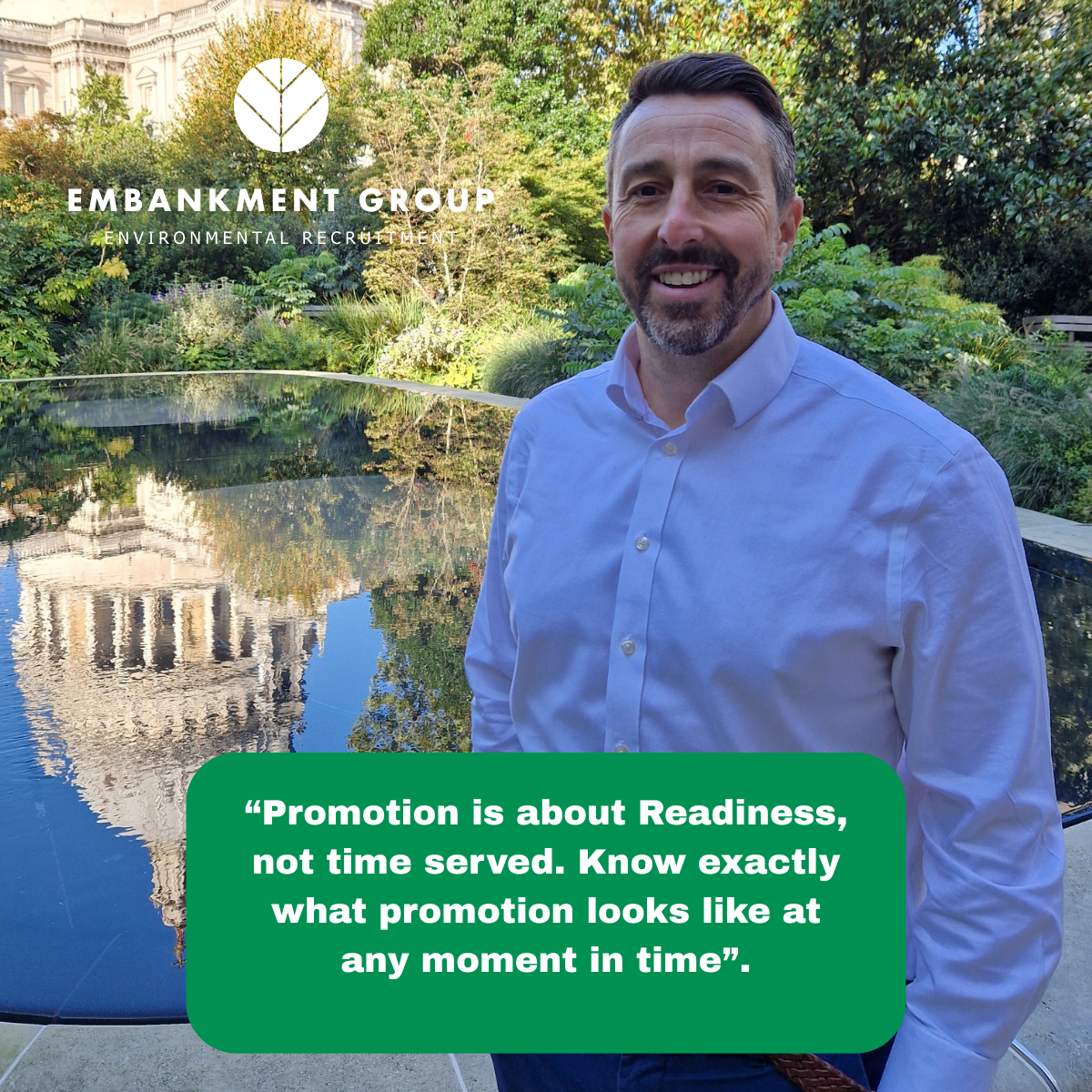
How to Position Yourself for Promotion in the Ecology Sector As a specialist ecology recruiter, Embankment Group places around 200 ecologists into permanent and freelance roles in the UK and Ireland every year. One thing we hear far too oAn is that ecologists do not always know what they need to do to get promoted. They may be working hard, delivering strong technical work and supporting projects, but still feel unclear on what the next step actually requires. This simply must change. The ecology sector requires transparency, clear progression routes and strong support for ecologists who want to develop. If ecologists are expected to grow into Senior, Principal, Associate or Director level roles, they need to understand exactly what good looks like and what evidence they need to show. Promotion is about Readiness, not time served Promotion in ecology is not just about the number of years you have been in the role (time served). It is about showing that you are ready to take on more responsibility, support others and add value beyond your own workload. If you are aiming for the next step, whether that is Senior Ecologist, Principal Ecologist, Associate or beyond, you need to think about how you are presenting to the person or people responsible for deciding if you are ready for the next step. Know exactly what promotion looks like at any moment in time If you want to be promoted, you need to know exactly what you are being measured against. It should not be vague or based on guesswork. Ask your manager to clearly outline what you need to do, what competencies you need to show and what evidence they would need to see before you can move up. This should almost work like a tick sheet, covering areas such as technical ability, project management, report writing, client communication, mentoring, commercial awareness and business development, depending on the level you are aiming for. At every moment, you should know where you stand. You should know what you have already demonstrated, what still needs to be improved and what specific actions will help you qualify for promotion. This also makes career conversations much easier. Instead of simply saying you feel ready for the next level, you can point to clear examples and show that you have met the agreed expectations. Promotion should not feel like a mystery. The clearer the criteria, the easier it is to focus your development and build a strong case for progression. Build evidence of your impact One of the biggest mistakes people make is assuming their hard work will speak for itself. In reality, managers are busy and may not always see the full extent of what you are doing. Keep track of the projects you have supported on, the surveys you have led, the reports you have written and any positive feedback from clients or colleagues. If you have helped deliver work on time, improved quality or supported junior team members, make sure you can clearly evidence it. Show commercial awareness As ecologists move into more senior roles, technical ability is only part of the picture. Employers want to see that you understand project budgets, deadlines, client expectations and resourcing. You do not need to be winning work overnight, but you should be able to show that you understand how your role fits into the wider business. Taking ownership of project delivery, communicating risks early and thinking ahead can make a big difference. Take on responsibility before you ask for it (or you’re asked to!) Promotion often comes when you are already operating at the next level. That might mean mentoring junior ecologists, reviewing reports, managing small projects or becoming the go to person for a particular survey area or technical specialism. Look for opportunities to step up, even in small ways. The more you can show you are already trusted with higher level responsibility, the stronger your case becomes. Communicate your ambitions clearly It is important to have open conversations with your line manager about your career goals. Do not wait until review time to mention that you want to progress. You should be able to meet your manager casually to review your progress. A single annual review doesn’t really cut the mustard. If this is the case, I would recommend talking to you Line Manager or HR team to review this. Ask what you need to demonstrate to move up, what gaps you need to close and what support is available. This gives you a clearer route forward and helps your manager understand that progression matters to you. Keep developing your technical profile In ecology, specialist skills can really strengthen your promotion case. Survey licences, protected species experience, botany skills, Biodiversity Net Gain knowledge, EcIA experience and project management capability can all help you stand out. Think about which skills are most valuable to your team and where you can become more useful to the business. Final thoughts Positioning yourself for promotion is about more than doing a good job. It is about showing leadership, commercial awareness, technical growth and a clear willingness to take on more responsibility. If you feel you are already operating above your current level, start gathering evidence, have the right conversations and make it easy for your employer to see the value you bring.
An interview with Dan Carpenter, Executive Coach for Ecologists
Why Ecologists Should Attend Conferences and Expos?
Imposter Syndrome in Ecology: Why So Many Ecologists Experience It and How to Overcome It

What Early Career Ecologists Should Look for in Their First Role
Ecology 2025 Salary Report
Fatigue in the Ecology Sector and Its Impact on Staff Retention
